Confused about where to start the laundry, how much detergent to use, and which cycle is right? Maybe you’ve tried washing clothes before and your favorite shirt shrank, the colors mixed, or the clothes just didn’t smell clean.
That’s normal! Most people never get a proper explanation of how to do laundry. In this guide, I will explain each step clearly so you can wash your clothes with confidence and get fresh, clean results every time.
Let’s get started!
How to Do Laundry Correctly: Step-by-Step Guide
Let’s go through everything you need to do to sort, wash, dry, and store your clothes so laundry becomes simple and stress-free.
Gather What You Need Before You Start
Before you start your laundry, ensure you have all the necessary items in one place. It makes everything easier. Many people start the machine and then realize they forgot the detergent or a laundry basket. I’ve done that too. So, it’s better to get everything ready first.
Here’s what you’ll need:
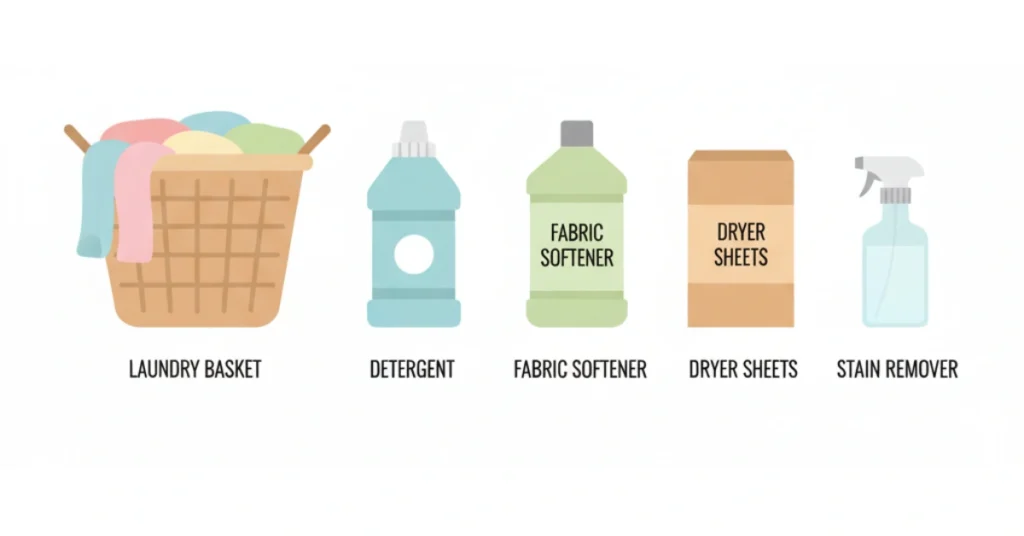
- Laundry basket or bag: To collect your dirty clothes
- Detergent: Any regular detergent works fine. Pods or liquid ones are the easiest to use.
- Fabric softener or dryer sheets (Optional): These help your clothes smell nice and feel soft.
- Washer and dryer: Make sure both are clean and empty before you start.
- Stain remover (Optional): If you have clothes with tough stains.
That’s it. You don’t need anything fancy. Just keep your basic things ready so you don’t have to run around in the middle of doing laundry.
Step 1: Sort Your Clothes by Color and Fabric
Before you put everything in the machine, take a few minutes to sort your clothes. This small step makes a big difference. If you skip it, colors can mix, whites can turn dull, and some fabrics might get damaged. I learned this the hard way after turning my white-shirt light pink once.
Here’s the easy way to sort:
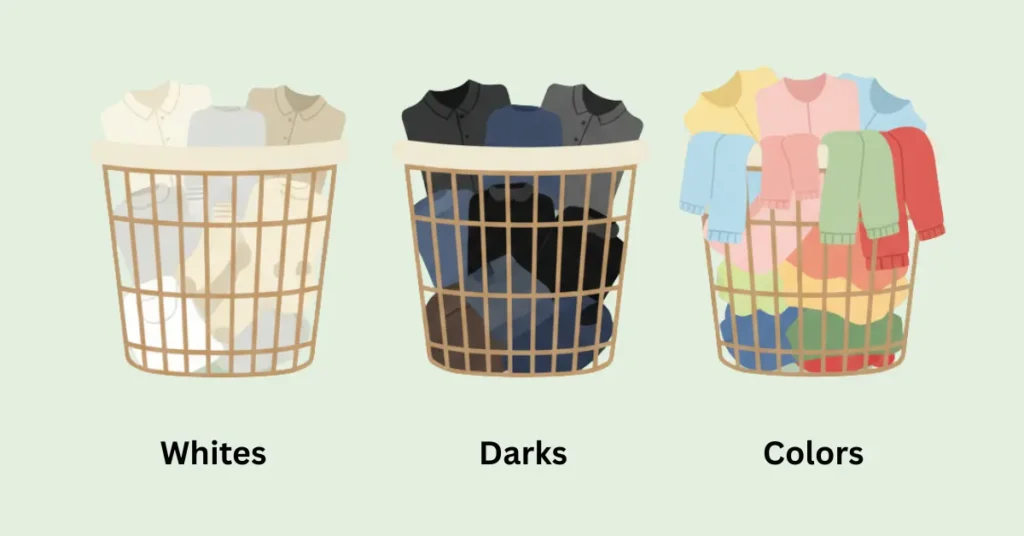
- Whites: T-shirts, socks, towels, or anything that’s mostly white.
- Darks: Black, navy, brown, or deep colors.
- Colors: Light colors like pink, yellow, gray, or blue.
If you want to be extra careful, you can also separate heavy fabrics (like jeans and towels) from lighter ones (like t-shirts or blouses). Heavy items take longer to dry and can be rough on delicate clothes.
Sorting only takes a few minutes, but it keeps your clothes looking new for longer.
Step 2: Read the Care Labels on Your Clothes
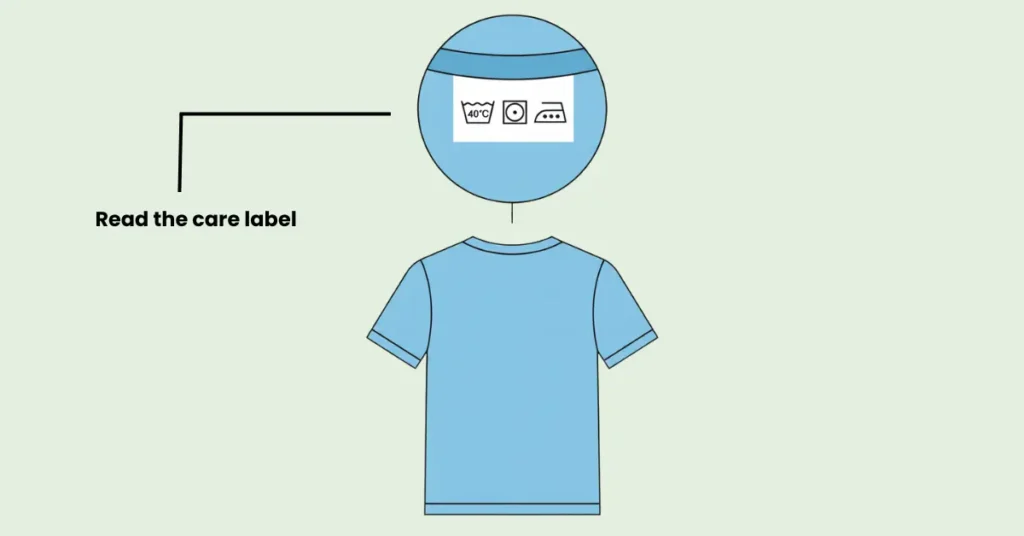
Before washing your clothes, take a quick look at the care labels. I know most people ignore them, but they actually tell you exactly how to wash and dry your clothes the right way. I used to throw everything in the same cycle until I ruined a few shirts. That’s when I realized those tiny tags actually matter.
On each tag, you’ll see small symbols or words that tell you things like:
- Water temperature: cold, warm, or hot
- Cycle type: gentle, normal, or heavy
- Drying method: tumble dry, air dry, or low heat
- Ironing: whether you can iron it or not
If a tag says “hand wash only” or “dry clean only,” don’t ignore it. Those clothes can easily shrink or lose shape in the machine.
Once you get used to checking labels, it becomes quick and easy. You’ll know what clothes can go together and what needs special care.
Step 3: Choose the Right Detergent
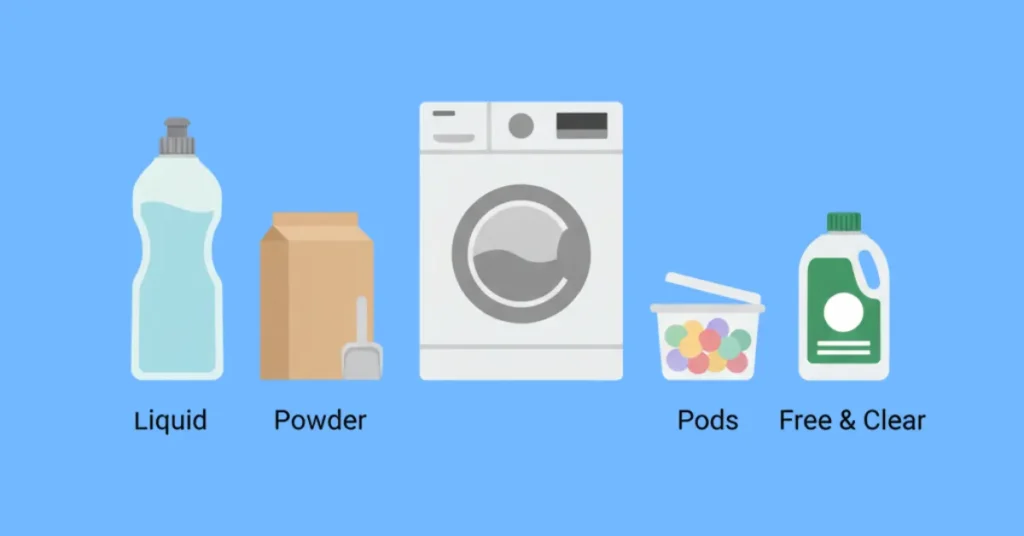
Detergent can be confusing at first because there are so many types — pods, liquid, powder, scented, and unscented. But honestly, you don’t need to overthink it. Most detergents clean clothes just fine, but some work better for certain kinds of stains.
If you’re new to laundry, I’d suggest starting with liquid detergent or pods. They’re simple to use and work well for all kinds of clothes. Just make sure to read the label on the detergent bottle. It usually tells you how much to use for a small or large load.
Here are a few quick tips from experience:
- Don’t use too much detergent. It won’t make your clothes cleaner. In fact, it can leave residue or make them stiff.
- Pods are beginner-friendly. Just toss one into the washer before adding clothes.
- If you have sensitive skin, look for detergents labeled “free and clear.”
That’s all you need to know for now. Pick one detergent that fits your needs and stick with it. Once you’re comfortable, you can try other options later.
Step 4: Pick the Correct Washer Settings
This is the part that usually confuses most beginners. There are so many buttons on the washer that it is hard to know which ones to press. But once you understand the basics, it becomes easy.
Every washing machine has three main settings you need to set:
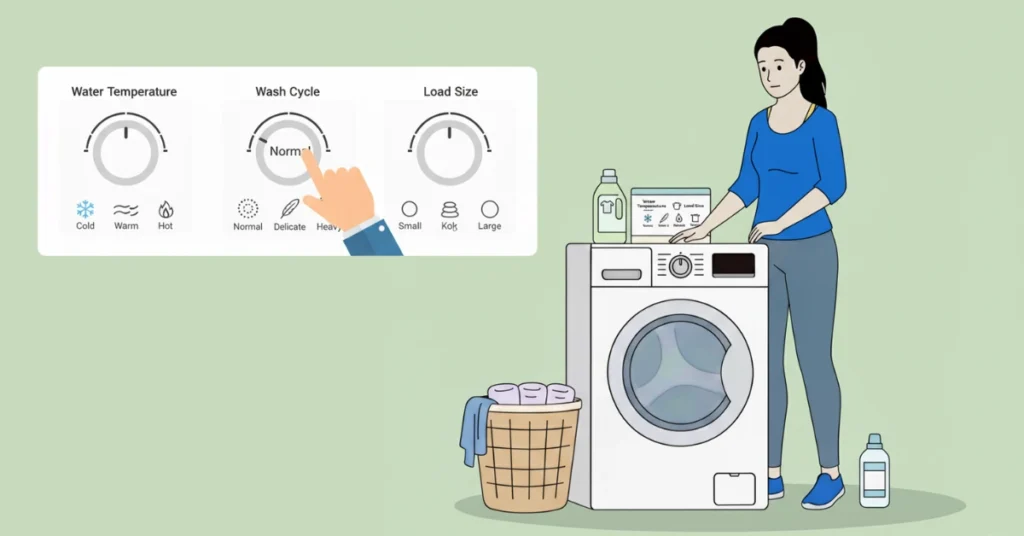
1. Water temperature
- Cold water: Best for most clothes. It saves energy and prevents colors from fading.
- Warm water: Good for clothes that are dirty or used for exercise.
- Hot water: Only for white clothes that have tough stains and need a deep clean, like stained towels.
2. Wash cycle
- Normal: For everyday clothes like t-shirts and jeans.
- Delicate or gentle: For light fabrics like blouses or underwear.
- Heavy or bulky: For thick items like towels, bedsheets, or heavy fabrics.
3. Load size
Select small, medium, or large depending on how many clothes you’re washing. If you are unsure, pick medium; it usually works fine.
Don’t stress about getting it perfect every time. After a few washes, you’ll start to know which settings work best for your clothes. The main goal is to avoid extremes; don’t use the hottest water or the longest cycle unless it’s really needed.
Step 5: Start the Wash Cycle
Now that everything is ready, it is time to start washing your clothes. This step is simple once you get the hang of it.
Here is what to do:
- Put your clothes in the wash. Do not fill it all the way to the top. Leave some space so the clothes can move around.
- Add detergent. If you are using pods, put one in before the clothes. If you are using liquid detergent, pour the amount written on the bottle into the detergent drawer or directly into the drum.
- Close the lid or door. Make sure it is shut properly.
- Press start. That is it. The machine will do the rest.
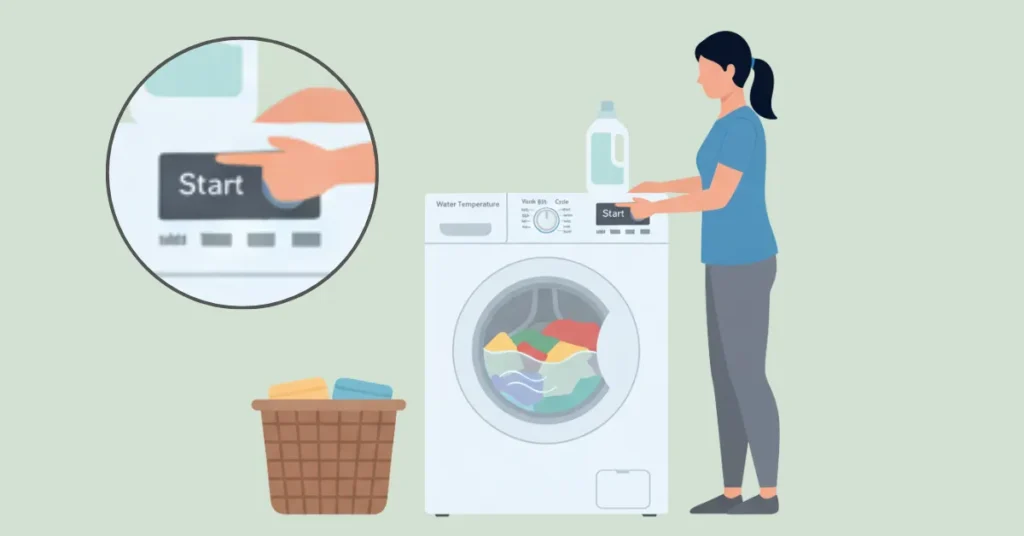
While the washer is running, you can do something else. When the cycle finishes, take the clothes out right away so they do not start to smell damp.
Step 6: Dry Your Clothes the Right Way
When the wash cycle is done, take the clothes out as soon as you can. Leaving them in the washer for too long can make them smell bad.
Now it is time to dry them. There are two main ways: using a dryer or air drying.

1. If you’re using a dryer:
- Check the labels first. Some clothes say “air dry” or “low heat only.”
- Clean the lint filter before starting. It helps the dryer work better and keeps your clothes safe.
- Choose the right setting.
- Low heat: For light or delicate clothes.
- Medium heat: For regular clothes.
- High heat: For towels or heavy fabrics.
Once done, take the clothes out quickly to avoid wrinkles.
2. If you are air drying:
- Hang clothes on a drying rack or line.
- Make sure they are spread out so air can move around them.
- Avoid hanging them in direct sunlight for too long, as it can fade colors.
Drying clothes properly keeps them soft and helps them last longer.
Step 7: Fold and Store Your Laundry
Once your clothes are dry, take them out right away. Leaving them in a pile can cause wrinkles and make it harder to put them away later. Fold your clothes while they are still warm from the dryer, or hang items that wrinkle easily, like shirts and dresses.

Keep similar items together, like t-shirts in one stack and pants in another, so it is easy to find what you need later. Store everything in a clean, dry place.
Taking a few extra minutes to fold and organize your clothes will make your laundry feel finished and save you time in the long run.
When (and Why) to Hand-Wash Clothes
Some clothes need a gentle touch. Hand-washing keeps delicate fabrics safe and stops them from shrinking, stretching, or losing color.
Here’s how to do it:
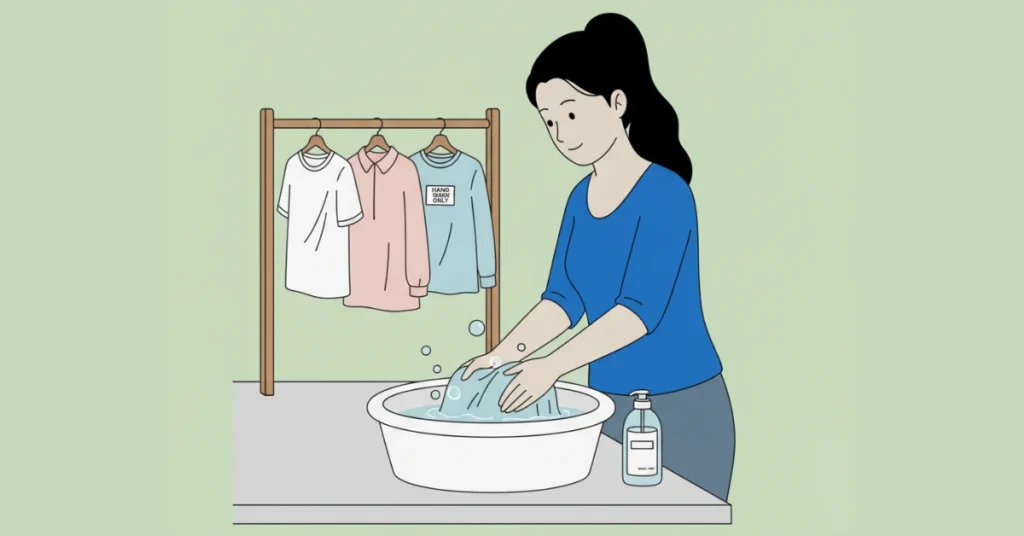
- Fill a basin or sink with cold or lukewarm water.
- Add a small amount of gentle detergent.
- Submerge the clothes and gently move them around. Avoid scrubbing hard.
- Rinse thoroughly with clean water.
- Press out excess water gently. Do not wring.
- Hang or lay flat to dry, following the care label instructions.
Hand-washing is especially important for items labeled “hand wash only,” delicate fabrics like silk or lace, and clothes with embellishments. Doing this helps your clothes last longer and keeps them looking good.
Common Laundry Mistakes Beginners Should Avoid
When you are learning to do laundry, it is easy to make mistakes. One of the most common is using too much detergent. More detergent does not make clothes cleaner. It can leave a sticky residue and make fabrics feel stiff.
Another mistake is mixing whites and darks in the same load, which can cause colors to bleed. Some beginners leave clothes in the washer too long, which can make them smell musty. Overloading the washer or dryer is also a problem because clothes cannot move properly, so they may not get fully clean or dry.
Finally, forgetting to clean the dryer lint filter can slow down drying and even be unsafe. Avoiding these simple mistakes makes laundry faster, easier, and keeps your clothes in better condition.
Simple Laundry Tips for Better Results
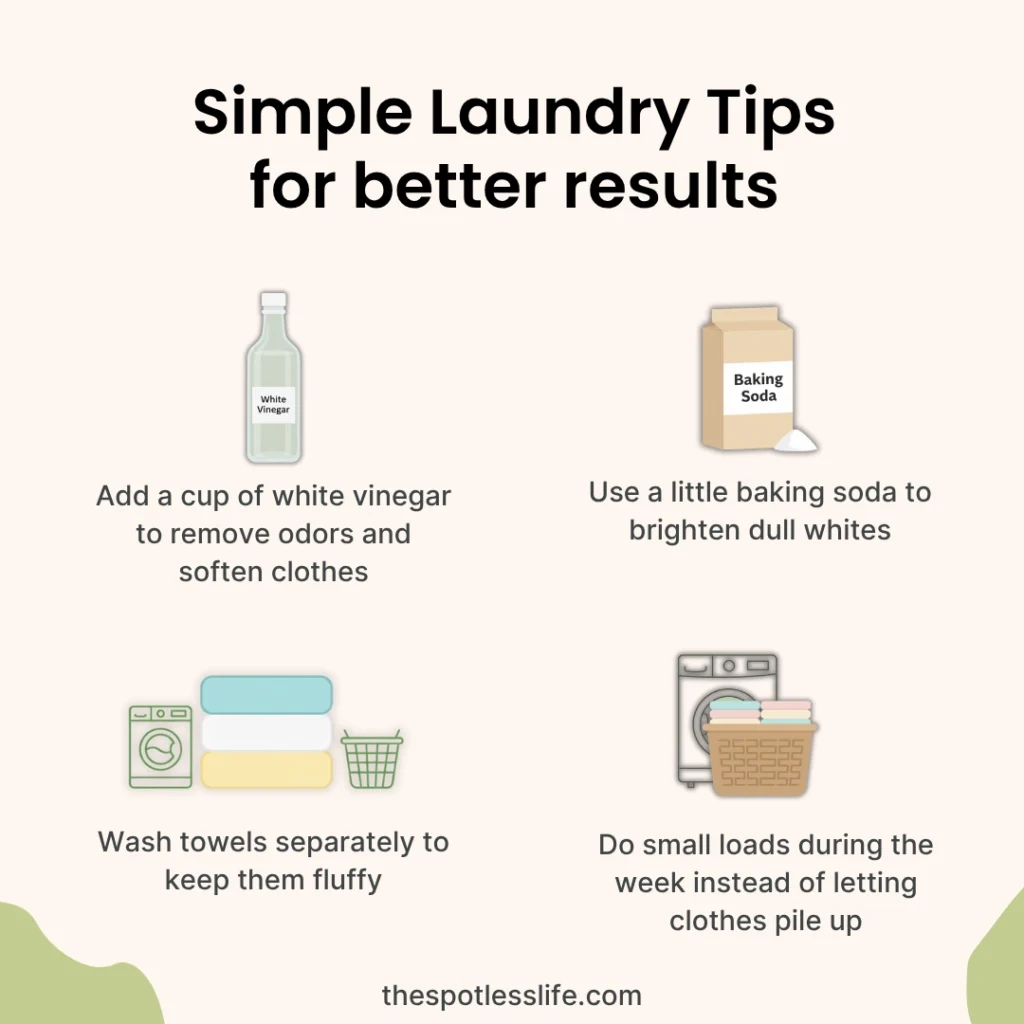
Here are a few easy laundry tips that make a big difference:
- Add a cup of white vinegar in the rinse cycle to remove smells and make clothes soft.
- Use a bit of baking soda if your whites look dull.
- Wash towels separately so they stay fluffy and dry well.
- Do small loads during the week instead of letting clothes pile up.
- Stick to a regular laundry schedule, like once a week, to avoid piles of dirty clothes.
These small habits make laundry easier and keep your clothes looking and smelling fresh.
Ready to do laundry the right way?
When I first started doing laundry, I made plenty of mistakes. I shrank shirts and mixed up colors. But with time, it became easy. Once you learn how to sort, check labels, use the right detergent, and pick the right settings, it all makes sense.
Take it one step at a time, and you’ll soon know what works best for your clothes. Laundry isn’t hard once you understand the basics.
Common Questions About Laundry
What are the basics of laundry?
First, sort your clothes by color and fabric. Check the tags to see how each item should be washed. Don’t use too much detergent and pick the right water temperature. Make sure not to overload the machine. Once they’re done, dry them properly and fold or hang them. That’s all you really need to know.
Should I wash clothes at 30 or 40?
For most everyday clothes, 30 degrees is enough. It saves energy and is gentle on fabrics. Use 40 degrees for clothes that are a bit dirtier or for towels and bedding.
Is it better to wash really dirty clothes in hot or cold water?
If clothes are heavily soiled, warm or hot water works better. Cold water is fine for lightly worn clothes or delicate fabrics.
Should towels be washed in hot water?
Not always. Warm water is usually enough to clean towels well and keep them soft. Only use hot water occasionally if you want to kill germs or remove tough stains.
How cold is too cold to do laundry?
Water that is too cold may not clean clothes properly. Generally, below 20 degrees Celsius (around 68 Fahrenheit) is too cold for normal washing.
Why do all my clothes look dirty even though I wash them?
It could be several reasons. You might be using too much or too little detergent, overloading the machine, or not cleaning the washer itself. Sorting clothes properly and checking stains before washing helps too.